
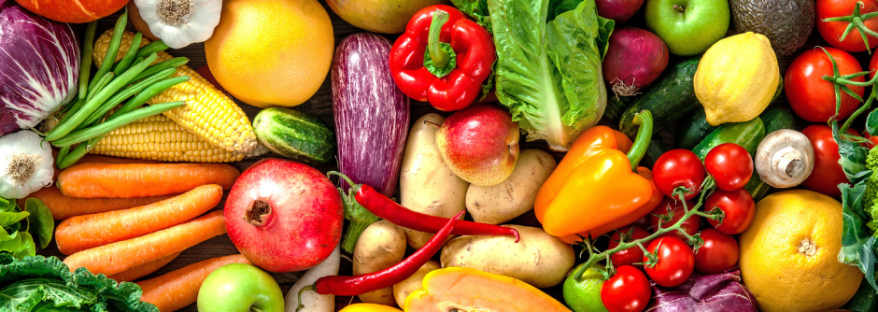
Every year, the Environmental Working Group (EWG) releases its “Dirty Dozen” list, highlighting the fruits and vegetables found to have the highest levels of pesticide residues. As consumers become increasingly concerned about the impact of pesticides on health and the environment, this list serves as a valuable guide for making informed choices about food consumption.
The 2024 EWG’s Dirty Dozen list once again sheds light on the produce items that may carry higher pesticide residues, urging consumers to consider organic options or alternatives whenever possible. Specific pesticides can vary depending on factors such as farming practices and geographic location. However, some commonly detected pesticides on these fruits and vegetables, along with their potential health effects, include:
1. Strawberries: Common pesticides found on strawberries include captan, pyraclostrobin, and boscalid. These chemicals have been linked to potential neurotoxicity and developmental toxicity, making organic strawberries a preferable choice for minimizing exposure, especially for children and pregnant women. Some other chemicals in them have been linked to cancer and reproductive damage.
2. Spinach: Pesticides such as permethrin and cypermethrin are often detected on spinach. Both chemicals are synthetic pyrethroids and have been associated with neurotoxic effects and potential hormone disruption.
3. Kale, Collard and Mustard Greens: May contain pesticides like dacthal and permethrin, which have been linked to adverse health effects such as developmental and reproductive toxicity, and cancer.
4. Grapes: Grapes may contain pesticides such as glyphosate and chlorpyrifos. Glyphosate has been classified as a probable carcinogen by the International Agency for Research on Cancer (IARC), while chlorpyrifos has neurotoxic properties.
5. Peaches: Pesticides commonly found on peaches include chlorpyrifos and thiabendazole, similar to those found on nectarines. Chlorpyrifos is a known neurotoxicant, and thiabendazole is associated with skin and eye irritation.
6. Pears: May contain pesticides such as imidacloprid and acetamiprid, both of which have been associated with potential neurotoxicity and developmental toxicity.
7. Nectarines: Common pesticides on nectarines include chlorpyrifos and thiabendazole. Chlorpyrifos has been associated with neurodevelopmental issues in children, while thiabendazole is a known skin and eye irritant.
8. Apples: Pesticides like chlorpyrifos, imidacloprid, and thiabendazole are often detected on apples. Chlorpyrifos is a neurotoxicant, while imidacloprid has been linked to potential neurotoxicity and developmental toxicity.
9. Bell and Hot Peppers: May contain chlorpyrifos, a neurotoxicant linked to developmental issues, and imidacloprid, potentially causes neurotoxicity and developmental toxicity.
10. Cherries: Cherries may contain pesticides like azoxystrobin and cyprodinil, which have been linked to potential neurotoxicity and developmental toxicity.
11. Blueberries: Same as strawberries, blueberries can have pesticides captan, pyraclostrobin, and boscalid. These chemicals have been linked to potential neurotoxicity and developmental toxicity.
12. Green Beans: Green beans may have chlorpyrifos and diazinon, neurotoxicants linked to developmental and respiratory issues.
While the Dirty Dozen list aims to inform consumers about produce with higher pesticide residues, it’s essential to remember that eating a variety of fruits and vegetables, regardless of whether they are on this list, is key to a balanced diet. To avoid pesticides, remember to get organic fruit and vegetables – especially if they are on this list. Washing with white vinegar and peeling conventionally grown produce can help reduce pesticide exposure.
Furthermore, supporting organic farming practices not only promotes personal health but also contributes to environmental sustainability by reducing the use of harmful chemicals in agriculture. By being mindful of the Dirty Dozen list and opting for organic options whenever possible, consumers can take proactive steps towards healthier eating habits and a more sustainable food system.

